AI outbound calling is the use of artificial intelligence to initiate, manage, and qualify outbound phone conversations at scale—without relying on human agents to place every call.
In 2026, AI for outbound calling is no longer a dialer or scripting tool. It is a system-level calling infrastructure that combines voice AI, natural language understanding, compliance enforcement, and real-time routing to human teams when required.
This guide explains what AI outbound calling is, how it works in practice, and where it fits in modern sales and service operations.
What Is AI Outbound Calling?
AI outbound calling is the use of AI voice systems to initiate outbound phone calls, qualify intent, enforce compliance rules, and route conversations to human agents when needed.
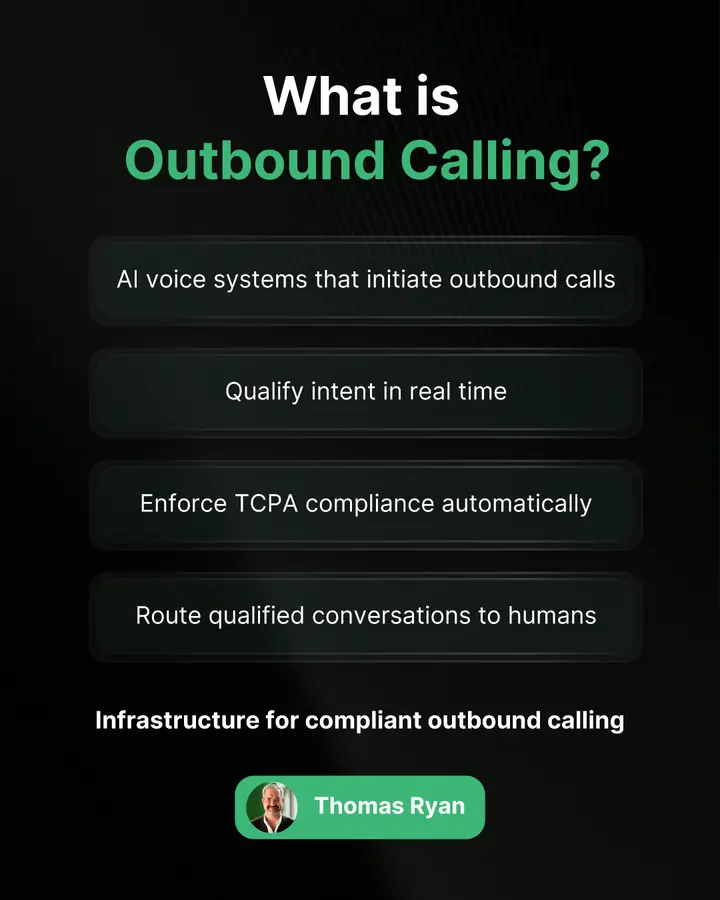
In practice, AI outbound calling functions as calling infrastructure, not a dialing tool. Unlike traditional robocalls or power dialers, these AI systems are designed to:
-
respond dynamically to human speech
-
follow branching conversation logic
-
verify consent and enforce compliance automatically
-
route qualified conversations to human agents
The goal is not to replace sales teams but to remove latency, inconsistency, and manual workload from the first layer of outbound engagement.
How AI Outbound Calling Works
A modern AI outbound calling system operates as a coordinated workflow rather than a single tool.
1. Triggering the Call
Calls can be triggered by:
-
form submissions
-
CRM events
-
lead uploads
-
scheduled reactivation campaigns
The system determines when and whether a call should occur based on consent, timing rules, and priority logic.
2. AI Voice Interaction
When the call is placed, an AI voice agent:
-
identifies the business and purpose of the call
-
engages in a natural conversation
-
listens for intent, hesitation, or disinterest
-
adapts its responses in real time
Modern systems do not follow rigid scripts. They use natural language understanding to guide the conversation based on how the person actually responds.
3. Qualification and Decision Logic
During the call, the AI evaluates qualification criteria, including readiness and urgency, as well as basic eligibility signals.
-
readiness or urgency
-
basic eligibility signals
-
willingness to proceed
-
availability for next steps
Based on these signals, the system can:
-
transfer the call to a human agent
-
book an appointment
-
log the outcome and stop outreach
-
trigger follow-up messages
4. Data Capture and Sync
Every interaction is logged automatically:
-
call recordings
-
transcripts
-
outcomes
-
opt-outs or refusals
This data syncs back to the CRM or operating system without manual entry.
AI outbound calling should be understood as an infrastructure rather than just a dialer.
AI outbound calling is often confused with predictive dialers, robocalls, or simple power dialing software. That comparison is technically incorrect. A dialer is a transport mechanism. It connects a phone number to another phone number.
AI outbound calling is a decision system.
- It initiates calls based on consent logic.
- It determines qualification pathways in real time.
- It adapts conversation flow using natural language understanding.
- It enforces compliance constraints before, during, and after each interaction.
- It routes qualified calls to human agents with structured data attached.
In high-volume environments, outbound execution cannot rely on human memory, manual list management, or spreadsheet-level tracking. Infrastructure must enforce:
- Consent verification
- State dialing windows
- Velocity restrictions
- DNC suppression
- Opt-out propagation
- Disclosure timing
These are not post-call review tasks. They must occur inside the outbound engine itself. This requirement is why AI outbound calling is best understood as regulated communication infrastructure.
For a detailed breakdown of how compliance rules apply to AI-generated voice calls, see our TCPA Compliance for AI Voice Guide for Call Centers. For insight into how conversation monitoring enforces these rules at scale, review our AI Call Intelligence guide.
AI Outbound Calling vs Traditional Dialers
Traditional dialers are designed to move phone numbers faster. AI outbound calling systems are designed to manage conversations intelligently.
Key differences:
-
Dialers connect calls; AI systems manage intent
-
Dialers require human availability; AI operates continuously
-
Dialers rely on scripts; AI adapts dynamically
-
Dialers enforce compliance manually; AI enforces it automatically
In practice, this means fewer wasted calls, faster engagement, and more consistent outcomes.
Where AI Outbound Calling Is Used
This AI calling is most effective in high-volume, time-sensitive environments, including
-
solar and home services lead follow-up
-
real estate and property outreach
-
debt relief and insurance qualification
-
appointment setting and confirmations
-
database reactivation campaigns
In these environments, speed-to-lead and consistency matter more than call volume.
Compliance and AI Outbound Calling
AI for outbound calling operates under the same regulatory framework as other automated calling technologies.
In the United States, AI-generated voices are treated as artificial or prerecorded voices under the Telephone Consumer Protection Act (TCPA). This means consent, disclosure, opt-out handling, and call-timing rules must be respected.
Modern AI outbound systems embed these requirements directly into call execution rather than relying on manual enforcement.
When AI Outbound Calling Is Not a Good Fit
AI outbound calling is not ideal for:
-
low-volume, relationship-driven sales cycles
-
highly technical conversations requiring deep expertise
-
outreach without proper consent records
-
teams seeking unregulated mass dialing
In these cases, human-led outreach or inbound strategies may be more appropriate.
The Role of Humans in AI Outbound Calling
This AI calling does not eliminate human roles—it reshapes them.
AI handles:
-
first contact
-
repetitive qualification
-
data capture
-
follow-up consistency
Humans handle:
-
complex objections
-
negotiation
-
trust-based decision-making
-
closing and relationship management
The most effective teams use AI for scale and humans for judgment.
Final Perspective
AI outbound calling is not about calling more people. It is about reaching the right people faster, consistently, and responsibly.
In 2026, teams that treat AI outbound calling as infrastructure—not a growth hack—gain a durable advantage in speed, scale, and operational control.
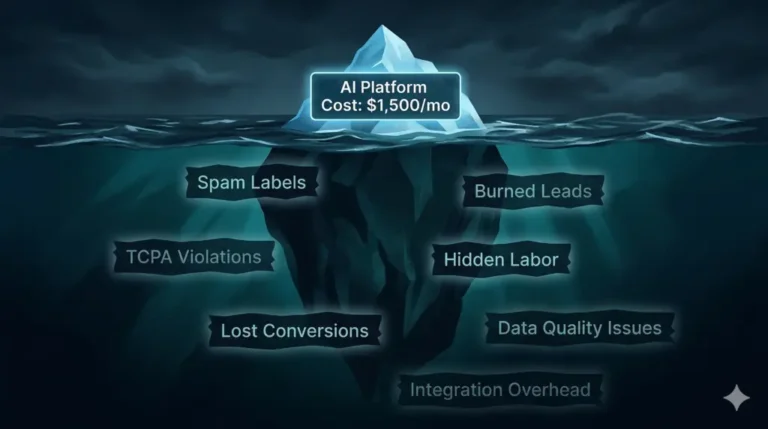
Why Do Most AI Outbound Calling Tools Fail at Scale?
Inside that section, clearly explain:
-
No number registration
-
No carrier whitelisting
-
No local presence logic
-
No spam remediation rotation
-
No state dialing rule enforcement
-
There is no enforcement of velocity rules such as Florida’s 3-in-24 rule.
Frequently Asked Questions
Is AI outbound calling the same as robocalling?
No. Robocalls deliver static messages. AI outbound calling involves interactive, real-time conversations that adapt to human responses.
Can AI outbound calls transfer to human agents?
Yes. Qualified calls can be transferred live or scheduled for follow-up based on predefined rules.
Does this AI calling work for inbound teams?
Many platforms support both inbound and outbound AI calling, allowing teams to centralize voice operations.
Is AI outbound calling legal?
Yes, when implemented with proper consent, disclosure, opt-out handling, and timing controls.