

Solar lead generation is the work of finding homeowners and property owners who may want solar, then moving them to a booked consultation. Most installers are not short of inquiries. They are short of fast, consistent follow-up on the inquiries they already paid for.
That gap is expensive. Solar companies spend on paid ads, lead aggregators, comparison forms, referral programs, SEO, and outbound teams. The value of all that spend depends on what happens in the first few minutes after a homeowner raises a hand. A slow callback, a weak first conversation, or an unqualified appointment turns a paid lead into a sunk cost.
AI calling closes part of that gap. It gives solar teams a repeatable way to respond quickly, ask the same qualification questions every time, and route serious homeowners to human consultants with real context. It does not replace solar salespeople, and it does not fix a bad list.
TL;DR
Solar lead generation in 2026 is won after the lead arrives, not before. AI voice agents contact eligible inquiries, confirm homeownership, ask about utility bill range and roof condition, and book consultations, which keeps human consultants on conversations that deserve their time. Sellers and telemarketers must scrub against the National Do Not Call Registry at least every 31 days, and calls that use an artificial or prerecorded voice to consumers generally need prior express written consent before dialing.
This does not work for everyone. If your list has weak consent records or your close rate is broken at the proposal stage, AI calling will surface those problems faster rather than solve them.
Key takeaways
- Most solar lead generation programs lose revenue to slow follow-up and inconsistent qualification, not to a shortage of leads.
- AI calling handles first response, qualification, booking, and CRM documentation, then hands warm homeowners to consultants.
- Qualify homeownership, service area, utility bill range, roof condition and shading, timeline, and consultation readiness before booking.
- Residential and commercial solar buyers need separate scripts because the decision-maker and the economics are different.
- Aged CRM leads are unresolved demand, but they need a consent and suppression review before any reactivation campaign.
- The FCC one-to-one consent rule was vacated in January 2025 and never took effect, so prior express written consent remains the operative standard.
- Measure booked and held consultations, not dial volume.
Table of contents
- What solar lead generation is
- Why solar lead generation is harder than it looks
- What AI solar lead generation actually means
- Speed to lead matters, and it gets oversold
- How AI calling qualifies residential solar leads
- Residential and commercial solar leads need different conversations
- Comparing the four main solar lead generation sources
- Aged solar leads are not always dead leads
- TCPA aware solar outreach in 2026
- What a good AI solar calling workflow looks like
- How to evaluate an AI calling vendor for solar
- Where human solar consultants still matter
- Operational ROI for solar companies
- What solar companies should avoid
- How Bigly Sales helps solar companies
- Solar lead generation FAQ
- The bottom line
What solar lead generation is
Solar lead generation is the process of attracting homeowners or businesses that may be interested in a solar installation and moving them toward a consultation, quote, or site visit. It covers paid search and social ads, organic search, referral programs, lead aggregators and comparison forms, door canvassing, inbound calls, and reactivation of old records already sitting in the CRM.
The term gets used loosely. Some teams mean the acquisition side only, which is the money spent to make the phone ring. A more useful definition includes the handoff. A form fill is not a lead in any commercial sense until someone has confirmed the person owns the property, wants information, and is inside your service area. Everything between the form submission and that confirmation is where most solar lead generation programs leak revenue.
Why solar lead generation is harder than it looks
From the outside the process looks simple. A homeowner fills out a form, asks about solar, and waits for a call. In reality that homeowner may have submitted to several installers, clicked multiple ads, visited a comparison site, and talked to a neighbor who already has panels. By the time the record appears in your CRM, the race has started without you.
The problem is not always lead quality. Often the lead was good on arrival and the follow-up process failed. A homeowner who wanted information at 7:30 p.m. may not care the next morning. Someone who requested a quote on a comparison page may answer the first installer who calls and ignore the rest.
This is why cost per lead is a weak scorecard. It tells you what you paid to create the opportunity. It says nothing about whether you handled it. A $75 lead that is called quickly, qualified properly, and booked into a consultation is worth more than a $35 lead that sits untouched for six hours.
What AI solar lead generation actually means
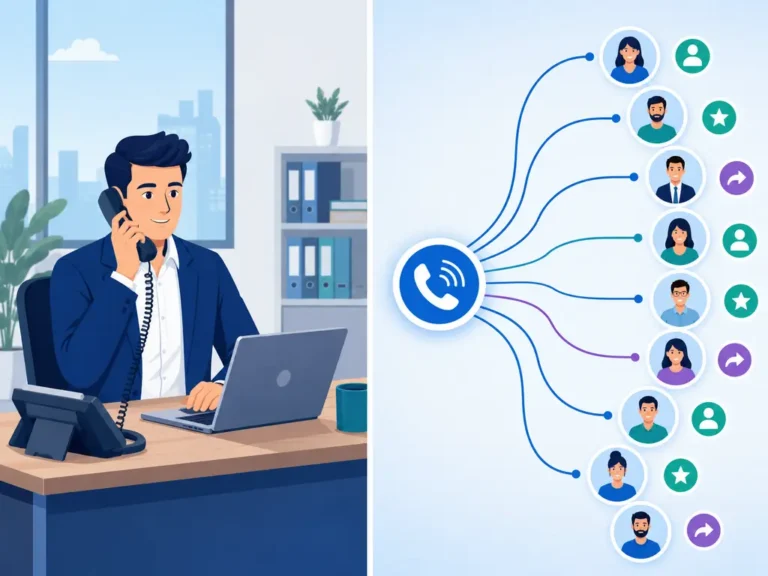
AI solar lead generation is not a chatbot, a power dialer, or an automated voicemail drop. In a working sales operation it means an AI voice agent contacts eligible leads, confirms interest, asks solar specific qualification questions, books consultations, and writes the outcome back to the CRM.
The AI does not need to close. It does not need to explain every incentive, design a system, or answer utility interconnection questions. Its job is to protect the first conversation by confirming the person is real, reachable, interested, and worth a consultant’s hour.
A strong workflow can establish whether the caller owns the home, whether the property sits inside the service area, whether the electric bill is high enough to make solar worth discussing, whether the roof may be suitable, and whether the homeowner is actively comparing installers. If the answers line up, the agent books the appointment or transfers the call live. If they do not, the system logs the reason and moves the record into the right nurture path.
Speed to lead matters, and it gets oversold
Fast response matters in solar because homeowner intent fades. People submit forms in a moment of motivation, usually a high bill, a rate increase, a neighbor’s installation, or something they read about a tax credit. Wait too long and the moment passes. Our own speed to lead workflow exists for exactly that reason.
The claim gets exaggerated, though. Calling within five seconds does not guarantee a sale, and answering in four minutes does not automatically kill the deal. A rushed call with weak qualification still wastes the consultant’s time, and a fast call to a record with no consent basis creates risk instead of revenue.
The better operating rule is plain. When a lead is eligible to call and the campaign rules allow it, respond quickly enough that the homeowner still remembers submitting the form. AI helps because it removes the human availability bottleneck. It does not wait for a rep to finish lunch or clear a queue.
How AI calling qualifies residential solar leads
Residential qualification should be short, respectful, and aimed at one decision, which is whether a consultation makes sense. Homeowners do not want an interrogation and they do not need a technical design conversation on call one.
Homeownership and property control
The first question is usually ownership. If the person rents, lives in a condo, or does not control the roof decision, the path is different. That does not make the lead worthless. It means it should not be booked into the same consultation slot as a single family homeowner who can approve the project.
Utility bill range
Solar economics depend on usage and local rates. A very low bill often means a weak fit. The agent should ask in broad bands rather than requesting exact financial details, which keeps the call comfortable and still gives the consultant a useful signal.
Roof condition, shading, and timeline
The AI should not make installation judgments. It can ask whether the roof is newer or older, whether there is heavy tree cover, and whether the homeowner has noticed shading. Timeline closes the loop. Some homeowners want to talk this week and others are gathering information for next year, and a good solar lead generation workflow does not force both into the same calendar.
Residential and commercial solar leads need different conversations
One common weakness is treating every lead the same. Residential homeowners are motivated by monthly bills, energy independence, home value, incentives, and protection from future rate increases. Their questions are personal. Will this save me money, is my roof a fit, what happens if I move, can I finance it.
Commercial buyers are more analytical. They care about operating cost, tax treatment, depreciation, payback period, sustainability reporting, budget cycles, property ownership, and internal approval. The person who submitted the form may be a facilities manager or an analyst rather than the decision-maker.
A residential script should prioritize ownership, bill range, roof fit, and consultation readiness. A commercial script should prioritize decision-maker status, site type, utility spend, project size, ownership structure, budget timing, and the approval process. Running one script across both makes the company sound generic and burns consultant hours.
Comparing the four main solar lead generation sources
Solar lead generation sources are not interchangeable, and each one needs a different first touch. The table below is a planning aid, not a promise, because pricing and intent vary by state and season.
| Source | Typical intent | Response urgency | Best first touch | Main risk |
|---|---|---|---|---|
| Aggregator and comparison forms | Shopping several installers at once | Highest, minutes matter | Immediate AI call, then live transfer | Shared lead, thin consent language |
| Own paid ads and landing pages | Interested in your brand specifically | High, same session if possible | AI call with your named brand in the opener | Cost per lead rises fast in competitive metros |
| Referrals and past customers | Warm, pre-trusted | Moderate, hours are acceptable | Human consultant or a short AI booking call | Low volume, hard to scale |
| Aged CRM records | Unresolved, may have changed | Low, run as a scheduled campaign | Consent reviewed AI reactivation call | Stale consent and outdated numbers |
Solar teams
Stop losing paid solar leads to slow callbacks
We will map your current lead flow and show where inquiries go cold before a consultant ever dials. The review takes about 30 minutes.
Aged solar leads are not always dead leads
Most installers have thousands of old records in the CRM. Some were called once and forgotten. Some were marked not interested with no detail. Some came in during a different rate environment or before a roof replacement. Those records can still carry value, but they need care.
Reactivation is not the same as blasting an old list. Before the campaign starts, review where the leads came from, whether the company still has a lawful basis for outreach, whether anyone opted out, whether the numbers are still in service, and how to segment by age, source, geography, and prior disposition.
AI calling makes reactivation practical because it works through large lists consistently and captures structured outcomes on every attempt. The right mental model is not a dead database. It is unresolved demand. Some of it is gone for good. Some of it returns when utility bills rise, incentives change, or the homeowner’s finances improve.
TCPA aware solar outreach in 2026
Solar outreach is compliance sensitive because it mixes consumer telemarketing, third party leads, high call volume, and hard competition. AI makes the workflow more consistent. It does not remove the need for valid consent, suppression, and legal review by your own counsel.
Consent
For covered consumer telemarketing calls that use an artificial or prerecorded voice, prior express written consent is generally required before dialing under the Telephone Consumer Protection Act. Solar companies should know where each lead came from, what disclosure language the homeowner actually saw, whether the seller was named or clearly covered, and which number was submitted.
The one-to-one consent rule that never took effect
A great deal of solar marketing content still describes the FCC one-to-one consent rule as binding law, sometimes with a 2025 or 2026 effective date. That is wrong. The Eleventh Circuit vacated the rule in January 2025 and it never took effect, so the operative standard remains prior express written consent as it stood before.
Adopting one-to-one consent as internal policy is still a reasonable idea. Buying leads whose disclosure names your company specifically, rather than a list of hundreds of unnamed partners, reduces litigation exposure regardless of what the regulation requires. Treat it as risk management, not as a legal deadline.
Revocation, DNC, and calling windows
The next real change is revocation of consent. Once the cross channel provision is in force in January 2027, a consumer who revokes consent on one channel must be treated as revoked for closely related messages on other channels, so your opt-out handling has to be shared across calls, texts, and email rather than siloed by tool.
Sellers and telemarketers must also scrub against the National Do Not Call Registry at least every 31 days, and internal suppression should update the moment someone asks not to be called again. The FTC guidance on the Telemarketing Sales Rule is the plain language reference for that. Calling windows need the lead’s time zone, not your office time zone, and several states layer on stricter rules. Platforms built for regulated verticals, including TCPA compliant AI calling platforms, apply suppression and window logic at dial time, but that is an operational control rather than a legal opinion.
What a good AI solar calling workflow looks like
A strong workflow starts before the call. The lead enters from a known source and the platform checks eligibility, which covers lead source, consent documentation, DNC and internal suppression, state rules, time zone, service area, and campaign purpose.
If the record is eligible, the agent opens clearly. It identifies the company, says it is following up on the homeowner’s solar inquiry, and asks whether they still want information. The opener should sound helpful rather than pushy.
The qualification conversation stays tight. Ownership, service area, average monthly bill, roof and shading basics, timeline. If the homeowner meets the rules, the agent books a consultation or transfers to a consultant live.
After the call the CRM record should carry the disposition, a call summary, the transcript, appointment details, opt-out status, lead source, and the next step. Follow-up rules finish the loop. No answer schedules another attempt inside the approved cadence, a callback request is honored, and an opt-out suppresses the number permanently.
How to evaluate an AI calling vendor for solar
Most demos sound the same. These questions separate the vendors that can actually run solar lead generation campaigns from the ones that cannot.
- Does the platform check consent, DNC, internal suppression, and calling window at dial time, or does it assume your list is clean?
- Can the agent transfer a hot homeowner to a live consultant mid-call, and what happens when no consultant is available?
- Does it write transcripts and dispositions into your CRM automatically, or does someone paste them later?
- Can you run different scripts for residential and commercial without rebuilding the campaign?
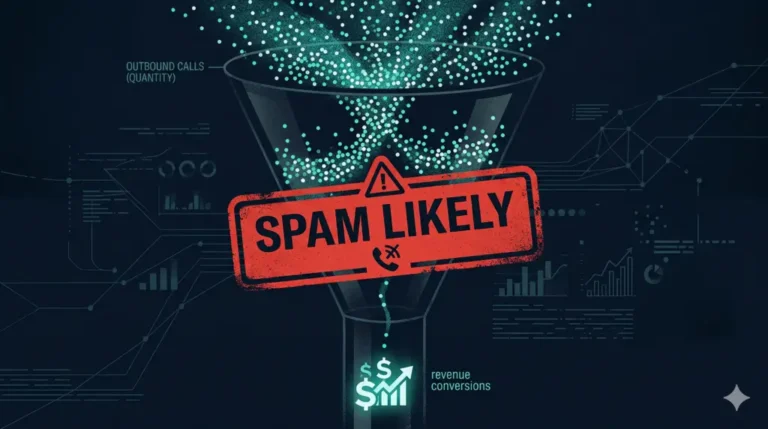
- Who registers and monitors your outbound numbers, and what happens when a number starts flagging as spam likely?
- Is this a self-serve tool you staff yourself, or a managed service where someone tunes scripts and reviews call quality weekly?
That last question decides the real cost. Self-serve platforms look cheaper until you count the person who has to run them. Bigly works across regulated industries as a managed service for that reason, which is a different purchase from buying a dialer seat.
Where human solar consultants still matter
Solar is a trust sale. No homeowner signs a major home improvement contract because an AI voice agent qualified them. They move forward because they trust the consultant, understand the economics, and feel confident about the installation.
Consultants should still own proposal review, system design, utility specific questions, financing, tax credit conversations, site visit expectations, and any objection that needs judgment. The AI should never promise savings, guarantee approval, quote final pricing, or tell a homeowner they qualify for a specific program.
The model is not AI instead of consultants. It is AI before consultants. The repetitive first layer gets handled consistently so consultants spend their hours with homeowners who already confirmed interest and passed basic qualification.
Operational ROI for solar companies
The return on AI assisted solar lead generation comes from three places. Faster response reduces the number of paid leads that go untouched. Better qualification keeps consultants away from renters, out-of-area properties, and low intent callers. Reactivation recovers value from records you already paid to acquire.
The math is specific to your numbers. Look at cost per lead, contact rate, qualification rate, appointment set rate, show rate, proposal rate, close rate, average revenue per installation, and consultant capacity. AI calling only produces ROI when it improves the path from inquiry to qualified consultation and the human team can convert what arrives.
A simple test is to run the current process and the AI assisted process side by side for a month on the same source. How many leads were contacted in the first few minutes, how many conversations completed, how many consultations booked, how many held, how many closed, and how many consultant hours went to poor fit calls. Those answers matter more than dial counts.
What solar companies should avoid
Do not treat AI calling as a shortcut around lead quality or compliance. A bad list just gets worked faster. Weak consent records stay weak. A script that overpromises savings will now repeat that mistake with perfect consistency on every call.
Avoid calling aged lists before reviewing consent and suppression. Avoid telling homeowners they will definitely save a specific amount before a consultant has seen the property. Avoid vague caller identity. Avoid pushing every lead into a consultation regardless of fit. Avoid an aggressive cadence, which damages number reputation and drives complaints.
Also avoid judging the program by call volume. Track qualified conversations, booked consultations, show rates, proposal rates, close rates, complaint rates, opt-outs, and source quality. More noise is not the goal.
How Bigly Sales helps solar companies
Bigly Sales turns solar follow-up into a managed AI calling workflow. Instead of asking consultants to chase every raw inquiry by hand, our voice agents contact eligible leads, ask approved qualification questions, book consultations, transfer serious homeowners live, and update CRM records with the detail of what happened.
For solar teams that means new lead response, missed call recovery, aged lead reactivation, appointment booking, live transfers, call summaries and transcripts, disposition tracking, opt-out capture, suppression support, calling window logic, number deliverability review, and ongoing campaign tuning by a person who owns the result.
The point is consistency more than speed. Every eligible lead runs through the same qualification logic, every outcome is logged, and every consultant gets context before the conversation starts. For companies spending heavily on paid solar lead generation, that consistency is often the difference between buying more leads and finally using the ones already in the system.
Solar lead generation FAQ
What is solar lead generation?
Solar lead generation is the process of attracting homeowners or businesses that may be interested in solar and moving them toward a consultation, quote, or site visit. It includes paid ads, organic search, referral campaigns, lead aggregators, comparison forms, door canvassing, inbound calls, and reactivation of aged records already in the CRM. The acquisition side and the follow-up side both count.
How does AI calling help solar lead generation?
AI calling responds to eligible leads within minutes, confirms interest, asks the same qualification questions every time, books consultations, and updates the CRM with a transcript and disposition. It gives solar teams a consistent first response layer so human consultants spend their hours on homeowners who already confirmed ownership, service area, and intent rather than on dialing.
What should a solar company qualify before booking a consultation?
Qualify homeownership, property type, service area, utility bill range, roof condition, shading, timeline, financing interest, and willingness to meet a consultant. Commercial campaigns should add decision-maker status, site ownership structure, annual utility spend, project size, and budget authority. Getting these on the first call prevents consultants from spending an hour with a renter or an out-of-area property.
How much does a solar lead cost?
It varies too much to quote a single figure. Shared aggregator leads generally cost less than exclusive leads, and exclusive leads in competitive metros cost more than the same lead in a smaller market. Rather than chasing a benchmark, track your own cost per booked consultation and cost per closed installation, because those numbers reflect follow-up quality as well as acquisition price.
Are aged solar leads worth calling again?
Aged leads can be worth re-engaging when they came from a valid source, still have a lawful basis for outreach, and pass a suppression and consent review. A homeowner who was not ready last year may be interested now because utility rates rose, the roof was replaced, or their finances changed. Segment by source and prior disposition rather than dialing the whole file.
Is AI calling legal for solar outreach?
AI calling can be lawful when campaigns follow the applicable TCPA, FTC, do not call, consent, opt-out, calling window, state telemarketing, and record keeping rules. For covered consumer telemarketing calls using an artificial or prerecorded voice, prior express written consent is generally required before dialing. Have your own counsel review your consent language and lead sources before launching.
Did the FCC one-to-one consent rule take effect?
No. The Eleventh Circuit vacated the rule in January 2025 and it never took effect, so prior express written consent under the existing standard still governs. Any content claiming a 2025 or 2026 one-to-one compliance deadline is out of date. Many solar companies still adopt one-to-one consent as internal policy because it reduces litigation exposure on shared aggregator leads.
How often do I have to scrub the Do Not Call list?
Sellers and telemarketers making covered calls must access the National Do Not Call Registry and remove registered numbers at least every 31 days. Internal do not call requests should be honored immediately and kept indefinitely. Most disputes come from internal suppression failures rather than the federal registry, so make sure opt-outs captured on a call reach every system that dials.
Does AI calling replace solar sales consultants?
No. AI should handle first response, qualification, appointment booking, reactivation, and CRM documentation. Consultants should still handle trust building, proposal review, system design, utility specific questions, financing conversations, and closing. Teams that try to run the full sale through an AI agent tend to see booked appointments rise and held appointments fall, which is a worse outcome.
How fast should a solar company respond to a new inquiry?
Fast enough that the homeowner still remembers submitting the form, which in practice means minutes rather than hours for aggregator and paid search leads. Referral leads tolerate a longer wait. Speed alone does not win the deal though. A fast call with weak qualification still wastes consultant time, so response time and script quality have to improve together.
The bottom line
Solar lead generation in 2026 is mostly an operations problem wearing a marketing costume. The installers who win are not the ones buying the most leads. They are the ones who answer quickly, qualify the same way every time, keep clean consent and suppression records, and give consultants better prepared conversations.
AI calling is a good fit for that first layer and a poor fit as a replacement for the sales team. If your consent documentation is thin or your proposal-stage close rate is the real problem, fix those first. Adding automation on top of a broken funnel just produces the same result faster.
See it on your leads
Put your next 100 solar inquiries on a test campaign
We build the qualification script with you and run it against real inquiries so you can compare booked and held rates. Setup takes about a week.