
Carrier Spam Labels: 7 Signals That Kill Answer Rates
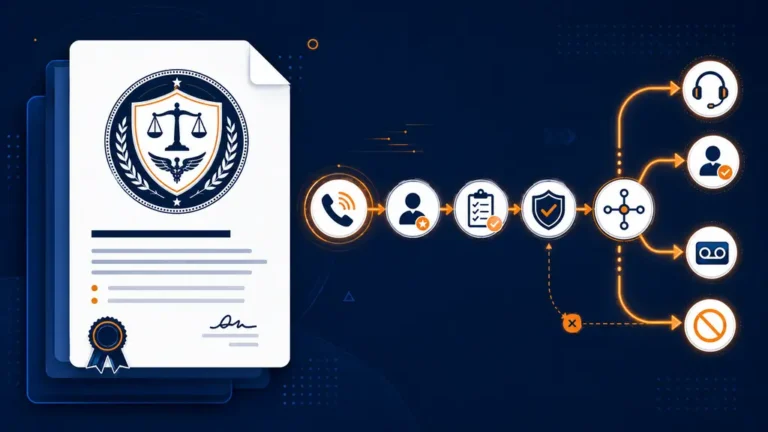
Carrier call labeling is the process a phone network uses to decide whether your outbound call rings normally, arrives marked as “Spam Likely,” or never connects at all. It happens…

Carrier call labeling is the process a phone network uses to decide whether your outbound call rings normally, arrives marked as “Spam Likely,” or never connects at all. It happens…

The Air AI FTC settlement is a proposed federal court order, announced on March 24, 2026, that bans Air AI Technologies and its named operators from selling or marketing any…

Spam likely calls are outbound calls that a carrier or analytics provider has already judged to be probably unwanted, so the recipient sees a warning label on the screen instead…

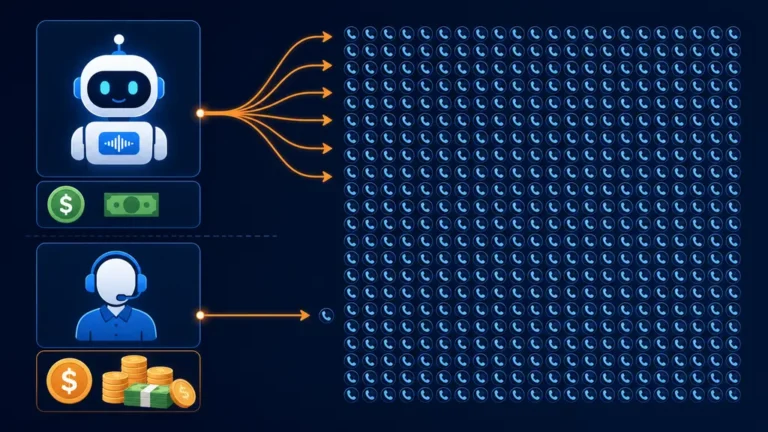
Ghost costs are the expenses of AI outbound calling that never appear on an invoice and still decide whether the program makes money. They are the answered calls you never…

For many sales leaders, AI outbound calling arrives as an opportunity and a compliance question at the same time. The opportunity is straightforward. AI voice agents contact leads faster, qualify…

“Spam Likely” is a warning label that a carrier’s analytics partner attaches to your caller ID before the phone in your prospect’s pocket ever rings. It is not a block,…

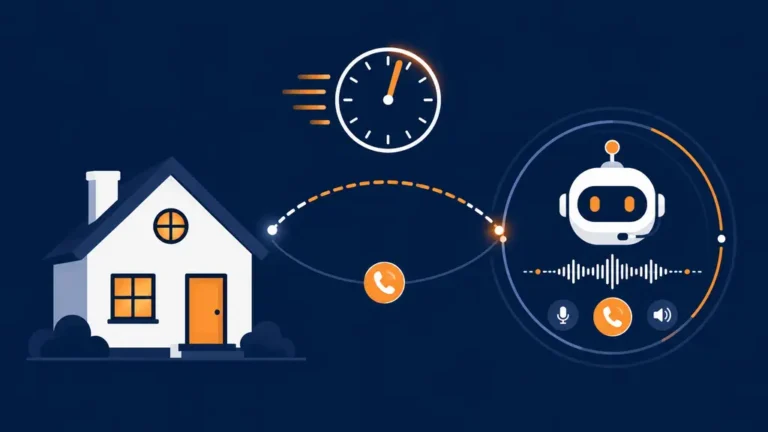
Lead response time is the gap between a prospect submitting a form and your first contact attempt actually reaching them. The 15 second rule is the standard that closes that…

The call center hiring cycle of doom is the repeating pattern where a sales floor recruits a large cohort of entry-level reps, loses most of them within a few months,…