


Aged call center data is the backlog of old leads and past customers sitting untouched in your CRM, the people who inquired months or years ago and never bought. Most teams write those lists off. That is usually a mistake, because circumstances change and a lead who was not ready last year may be ready now.
The problem was never the list. It was the labor. Manually cleaning, scoring, and calling thousands of stale records was too expensive to justify, so the records sat. AI removes that labor cost, which is why reviving dormant lists has become one of the highest-return projects a sales team can run in 2026.
This guide explains what makes old records valuable, how AI cleans and re-engages them step by step, the compliance rules you must clear before dialing, and when a list is genuinely not worth reviving.

TL;DR
Aged call center data is dormant leads and lapsed customers your team stopped working, and AI makes it profitable to revisit them by cleaning bad records, scoring who is likely to respond, and running personalized calls and texts automatically. You already paid to acquire these contacts once, so every deal recovered from the list costs a fraction of a new lead.
Two hard rules before any campaign. Scrub the list against the National Do Not Call Registry, and contact only records where you can document consent. Lists with no consent trail, and purchased lists, are not worth the legal risk of an outbound calling campaign.
Key takeaways
- Old leads are not dead leads. Needs and budgets change, and a contact who declined last year may buy this quarter.
- Reviving call center data you already own costs far less per deal than buying and working brand-new leads.
- AI does the work that made revival uneconomical, including cleaning records, scoring likely responders, and personalizing outreach at scale.
- Compliance comes first. Do Not Call scrubbing and documented consent are non-negotiable before an outbound campaign.
- Measure the campaign like any other channel, tracking reach rate, response rate, booked meetings, and revenue per thousand records.
- Skip revival for purchased lists, records with no consent trail, and lists too small to justify the setup.
Table of contents
- What aged call center data is
- Why old call center data still has value
- How AI restores dormant records
- A five step revival process
- Tool options compared
- Compliance before you dial
- Measuring the results
- When a list is not worth reviving
- Aged call center data FAQ
- The bottom line
What aged call center data is
Aged call center data is the set of contact records, past inquiries, quotes, and lapsed customers that stopped receiving active outreach, usually anywhere from six months to several years old. It accumulates in every sales operation. Leads that did not answer twice get parked, quotes that stalled get forgotten, and customers who churned never hear from you again.
The records decay in two ways. Some information goes stale, since people change numbers, jobs, and email addresses. And the relationship goes cold, since the contact no longer remembers the conversation. A revival program has to fix both, which is exactly the work AI is good at.
Why old call center data still has value
The case rests on simple economics. You already paid to generate every record on that list, through ads, forms, or past campaigns. A deal recovered from your own database carries no new acquisition cost, so even a modest response rate can beat the return on fresh lead spend.
The second reason is timing. A lead who said no was often saying not yet. Budgets reset, contracts with a current vendor expire, and the problem they asked about in 2024 may have grown. Reaching back at the right moment catches buyers your competitors are paying full price to find.
The third reason is familiarity. A contact who once asked about your product is warmer than a cold name, even years later. Referencing the earlier conversation, honestly and specifically, gets more replies than any cold opener.
How AI restores dormant records
Manual revival fails because the sorting work swamps the selling work. AI flips that ratio in four steps.
Cleaning and validation
Before anyone is contacted, AI-driven cleanup removes duplicates, standardizes fields, flags disconnected numbers and dead email addresses, and fills gaps from your CRM history. This step alone changes campaign economics, because your agents and AI callers stop spending effort on records that can never answer. Expect a meaningful share of a multi-year-old list to fall out here, and treat that as a win rather than a loss.
Scoring and segmentation
Next, AI scores each surviving record on its likelihood to respond, using signals like how the lead originally arrived, what they asked about, how far the last conversation went, and how long they have been dormant. It then groups the list into segments, such as stalled quotes, one-call no-answers, and lapsed customers. Each segment gets its own message, because a churned customer and a lead who never picked up need very different openers.
Personalized re-engagement at scale
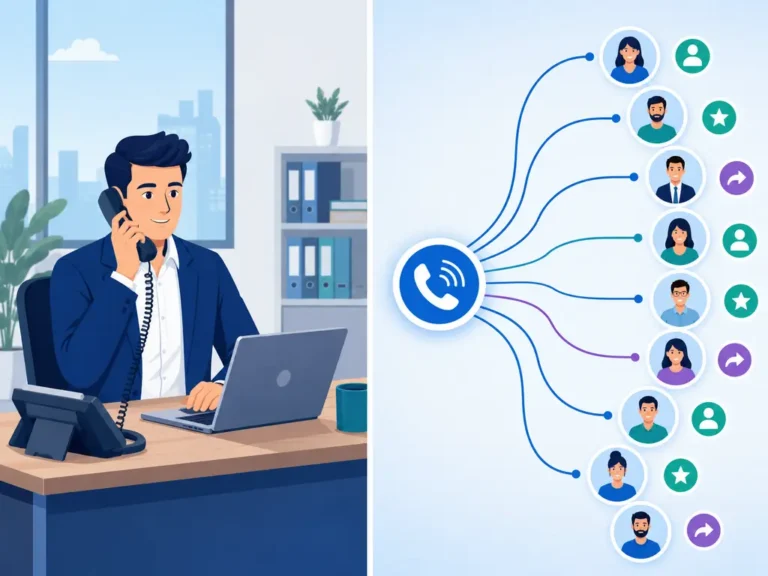
This is where AI calling and texting changes the math. An AI agent can call or text every scored record with a message tied to its history, mention the product the lead originally asked about, answer questions, and book a meeting with a rep when interest is real. Work that once needed weeks of agent dialing runs in days, and every conversation is transcribed back into the CRM so the record gets fresher instead of staler.
Timing and follow-up
AI also decides when to try each contact, spacing attempts across days and channels instead of burning the list in one blast. A no-answer at noon gets an evening text. A reply gets an immediate follow-up. Persistence without spam is a rules problem, and machines follow rules better than busy humans do.
A five step revival process
Here is the sequence that works in practice.
- Export and audit. Pull every dormant record with its source, consent status, and last contact date.
- Scrub for compliance. Remove Do Not Call registrants, prior opt-outs, and anything without a documented consent basis.
- Clean and score. Validate contact information, then rank the list by likelihood to respond.
- Launch by segment. Start with your best segment, usually stalled quotes and lapsed customers, with messaging that references the history.
- Measure and expand. Read the first two weeks of results, fix the scripts, then roll to the next segment.
Run the first pass on a slice of the list, not all of it. A pilot of a few thousand records tells you your true reach and response rates before you commit the whole database.
Wake your database
Turn last year’s leads into this month’s meetings
Bring a dormant list and watch an AI agent call it, live. You will see transcripts and booked meetings from the first day.
Tool options compared
Different product categories attack this problem from different angles, and most of them are not direct rivals. Bigly Sales sells AI calling and texting, not a CRM or a contact center suite, so treat the other rows as complementary categories rather than head-to-head competitors.
| Category | Examples | What it contributes | Limits for revival |
|---|---|---|---|
| CRM AI features | Salesforce Einstein, HubSpot AI | Lead scoring and pipeline insight inside the system of record | Scores the list but does not call or text it for you |
| Contact center suites | Genesys, Five9 | Routing, workforce tools, and analytics for large agent floors | Built around human agents, heavier setup and cost |
| Data cleansing services | Standalone validation vendors | Verify numbers and emails, remove duplicates | Cleans the records but generates no conversations |
| AI calling and texting platforms | Bigly Sales | Actually contacts the list, holds conversations, books meetings | Needs a clean, consented list and clear scripts to perform |
A common stack in 2026 is a CRM for scoring, a cleansing pass for hygiene, and an AI calling platform for the outreach itself. Model your list size against per-conversation costs on our pricing page before you pick a stack.
Compliance before you dial
Outbound calling and texting to old records is regulated, and AI voice calls draw extra scrutiny. Scrub the list against the National Do Not Call Registry, honor every prior opt-out, keep calls inside permitted hours, and contact only records where you can document consent. Rules differ for marketing and informational messages, and states have added their own requirements, so have counsel review the campaign design.
This is also a vendor question. A platform built for compliant outreach should handle DNC suppression, opt-out capture, calling windows, and consent records automatically. Our guide to TCPA compliant AI calling platforms covers what to check before you launch.
Measuring the results
Treat the revived list as its own channel with its own numbers. The four that matter are reach rate, meaning the share of records where a real conversation happened, response rate by segment, meetings or orders booked, and revenue per thousand records worked. Cost per acquired deal from the old list, compared against your normal cost per deal from new leads, is the number that decides whether the program continues.
Benchmark against your normal channels, because revived call center data should win on cost per deal even when its raw response rate looks modest next to fresh leads.
Read the transcripts, not just the dashboard. They show which openers get hang-ups, which segments ask to be left alone, and which objections repeat. Feed that back into scripts weekly, because revival campaigns improve fast in the first month and then plateau if nobody touches them.
When a list is not worth reviving
Some lists should stay retired. Purchased lists and records with no documented consent are the clearest case, because the legal exposure of calling them outweighs any revenue they might return. Very old business-to-business records where the contact has likely changed jobs return little, and a list of a few hundred names rarely repays campaign setup.
Be honest about product fit too. If the product, pricing, or market has changed so much that the original inquiry no longer applies, those contacts are effectively cold and belong in a normal marketing sequence, not a revival campaign.
Keep the asset from aging again
The cheapest revival campaign is the one you never have to run, so build habits that stop call center data from going stale in the first place. Set a dormancy rule, such as any lead untouched for 90 days automatically entering a light AI follow-up sequence, so records get a scheduled nudge instead of a quiet burial. Log every outcome, including the polite noes, because a documented no with a reason is far more workable next year than a blank record.
Schedule a quarterly hygiene pass as well. Validate numbers and emails on recent additions, capture opt-outs promptly, and archive records that have permanently disqualified themselves. A database maintained this way keeps its value continuously, and your next campaign starts from a warm, clean list instead of a two-year excavation project.
Watch
Your CRM is full of money
Most aged records were never truly worked. Here is what changes when something calls all of them instead of a shortlist.
Aged call center data FAQ
What counts as aged call center data?
Any contact records your team has stopped actively working, typically leads, quotes, and customers with no touch in six months or more. The category includes no-answer leads, stalled deals, lapsed customers, and old inbound inquiries. Age alone does not kill value, but it does mean the records need cleaning and consent checks before outreach.
Is old lead data still worth calling?
Often yes, because you already paid to acquire it and circumstances change. Stalled quotes and lapsed customers respond best, since a real relationship existed. The economics work when the recovered deals cost less than the same revenue from new lead spend, which a small pilot campaign will tell you within two weeks.
How does AI clean call center data?
AI-driven cleanup deduplicates records, standardizes names and fields, validates phone numbers and email addresses, flags disconnected lines, and enriches gaps from your CRM history. The output is a smaller, accurate list. Expect a large share of very old records to drop out, which saves money you would have wasted contacting them.
Is it legal to call old leads again?
Only within the rules. You need a documented consent basis for each record, a scrub against the National Do Not Call Registry, respect for prior opt-outs, and calls inside permitted hours. AI voice calls face added scrutiny, so use a platform with built-in compliance controls and have counsel review the campaign.
Will AI replace the agents who used to work these lists?
It replaces the dialing, not the selling. AI handles list-wide first touches, qualification, and scheduling, then hands interested prospects to your reps with a transcript. Most teams keep the same closers and simply feed them warmer conversations, which is a better use of agent hours than manual redial marathons.
What response rate should I expect from a dormant list?
It varies too much by list quality, age, and offer for any honest universal number. Recent stalled quotes respond far better than three-year-old no-answers. Run a pilot on a few thousand records, measure reach and response by segment, and project from your own results rather than a vendor benchmark.
How long does a revival campaign take to show results?
The first meetings usually appear within days of launch, because AI works a list far faster than a human team. Plan on two weeks for a readable pilot and about a month to judge the full program, including script fixes after the first transcript review. It is a fast feedback channel compared to most marketing.
Do I need a new CRM to do this?
No. A revival program works from an export of your existing records, and a good AI calling platform writes results back into whatever CRM you run. Fix glaring data hygiene problems first, but do not delay the campaign for a platform migration. The list, consent records, and scripts matter far more.
What is the biggest mistake teams make with aged data?
Blasting the whole list with one generic message on day one. That burns the asset, spikes opt-outs, and teaches you nothing. The second biggest is skipping the compliance scrub. Segment first, personalize by history, pilot on a slice, and scale only what the transcripts and numbers support.
The bottom line
Your dormant database is a paid-for asset earning nothing. AI turns it back into pipeline by cleaning the records, ranking the opportunities, and holding thousands of personalized conversations that no human team could afford to run. The teams seeing the best returns in 2026 treat revival as a standing channel, not a one-time purge.
The discipline matters as much as the technology. Scrub for consent and Do Not Call status, pilot before you scale, and measure recovered revenue against what new leads cost you. Do that, and the oldest list in your CRM may quietly become your cheapest source of deals.
Run the pilot
Prove your old list still sells in 14 days
Pick one dormant segment and we will help you launch a compliant AI campaign against it. You judge the results from the transcripts.