


AI sales calls are phone calls made or assisted by artificial intelligence, from fully automated outbound calls to real-time coaching that guides a human rep mid-conversation. Sales teams use them to reach more leads, follow up faster, and stop losing deals to slow response times.
The revenue question is the one everyone asks. Vendors advertise lifts of 30% or more from AI calling. Treat numbers like that as marketing until you test them on your own pipeline, because results depend heavily on your lead volume, call types, and follow-up discipline.
This guide explains where the revenue actually comes from, which tools do what, how to roll AI calling out without burning your list, and who should skip it. We build one of these platforms at Bigly Sales, and we will be direct about where it fits and where it does not.
TL;DR
AI sales calls raise revenue in three measurable ways, they reach new leads within seconds instead of hours, they follow up more times than human reps ever do, and they free your closers from repetitive dialing. Gartner projected conversational AI would cut contact center labor costs by about $80 billion by 2026, and the same economics apply to outbound sales teams.
The tooling splits into two camps, platforms that make calls for you and conversation intelligence tools that analyze human calls. Skip AI calling if your deals are few, large, and relationship-driven, a human should own every touch in that model.
Key takeaways
- AI sales calling comes in two forms, fully automated AI callers and AI tools that coach or analyze human calls.
- The biggest revenue lever is speed to lead, calling a new lead within the first minutes instead of hours later.
- Automation of dialing, notes, and follow-ups gives reps back hours a day for live selling.
- Vendor claims of 30% revenue lifts are unverified marketing. Run a pilot and measure your own numbers.
- Gong, Chorus, and Revenue.io analyze human calls, they are a different category from AI callers like Bigly Sales.
- Outbound AI calling is regulated, consent and disclosure rules apply before you dial.
- Low-volume, high-ticket sales teams usually gain more from conversation intelligence than from automated calls.
Table of contents
- What AI sales calls are
- Where the extra revenue actually comes from
- How AI improves live sales calls
- AI sales call tools compared
- How to roll out AI sales calls without burning your list
- Compliance rules you cannot skip
- Who should skip AI calling
- AI sales calls FAQ
- The bottom line
What AI sales calls are
An AI sales call is a phone conversation where artificial intelligence either conducts the call itself or actively assists the human rep while the call happens. The term covers two very different products, and mixing them up leads to bad purchases. Calling brand-new prospects who never asked to hear from you is a separate job with stricter rules, covered in our AI cold calling guide.
The first category is the AI caller. Software dials the lead, speaks with a synthetic voice, qualifies interest, answers questions, and books a meeting or transfers to a rep. Bigly Sales sits in this category. The value is volume and speed, one system can hold hundreds of conversations at once.
The second category is conversation intelligence. Tools like Gong and Chorus record and transcribe calls that humans make, then surface coaching insights, deal risks, and winning patterns. They do not make calls. They make your human calls better. Our AI calling glossary breaks down the rest of the vocabulary vendors throw around.
Most teams that grow revenue with AI use both layers, automation for the top of the funnel and intelligence for the deals humans work.
Where the extra revenue actually comes from
Revenue gains from AI sales calls are real, but they come from specific mechanics, not magic. Four of them do most of the work.
Speed to lead
Leads cool off fast. A lead called within the first few minutes of submitting a form is dramatically more likely to answer and convert than one called hours later, which is why response time is the first metric worth fixing. An AI caller responds in seconds, every time, including nights and weekends. Our speed to lead page covers the mechanics in detail.
Follow-up persistence
Most reps stop after one or two attempts. Buyers often need five or more touches before they engage. AI does not get discouraged, it works the sequence, calls, texts, and emails until the lead answers or opts out. Deals that would have died from neglect come back.
Reps freed for closing
Dialing, voicemail drops, data entry, and note-taking consume a large share of a rep’s day. When AI handles the repetitive layer, your best people spend their hours on qualified conversations. Same headcount, more selling time, more closed revenue.
Better decisions from call data
AI transcribes and analyzes every conversation, so you learn which objections kill deals, which pitches land, and which leads sources are worth the spend. Managers coach from evidence instead of memory.
How AI improves live sales calls
Even when a human makes the call, AI changes what happens during and around it.
- Real-time coaching. Tools listen to the live conversation and prompt the rep with the next best question or a response to an objection.
- Automatic notes and CRM updates. The call is transcribed, summarized, and logged without the rep typing a word, which also means the data is actually complete.
- Sentiment signals. Voice analysis flags hesitation or frustration so reps adjust before the deal sours.
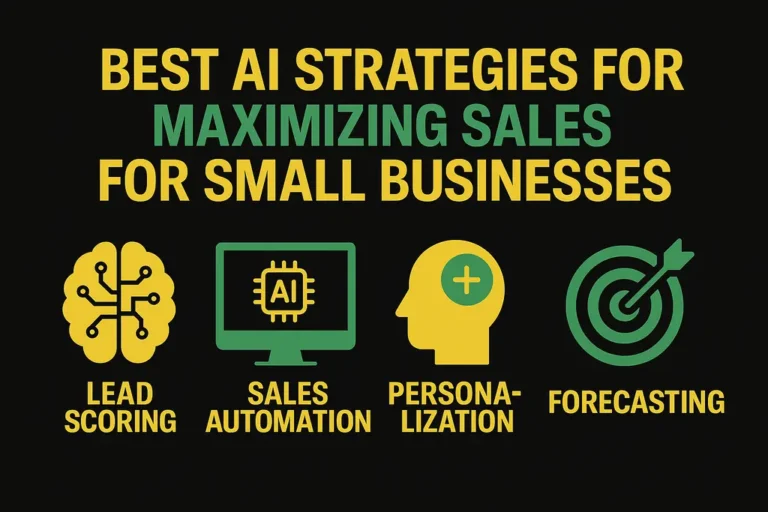
- Personalization at scale. AI reviews the lead’s history, past purchases, browsing behavior, prior conversations, and equips the rep with a pitch matched to that person before the phone rings.
- Lead scoring. AI ranks the queue so reps call the likeliest buyers first instead of working the list top to bottom.
None of this replaces sales skill. It removes the friction around it.
See the numbers
Watch AI call your leads in real time
We will demo AI calling on your actual use case and show you the booking flow end to end. It takes about 20 minutes.
AI sales call tools compared
These are the tools teams evaluate most often. Note the category column, an AI caller and a conversation intelligence tool solve different problems, and several of these are complements rather than competitors.
| Tool | Category | What it does | Best for |
|---|---|---|---|
| Bigly Sales | AI caller | Makes and answers calls with AI, follows up by text and email, books meetings | High lead volume, fast response, after-hours coverage |
| Gong | Conversation intelligence | Records and analyzes human sales calls, surfaces deal risks and coaching moments | Teams of human reps working larger deals |
| Chorus | Conversation intelligence | Transcribes calls and highlights key moments for coaching | Sales managers building a coaching program |
| Revenue.io | Real-time guidance | Live conversation analysis and in-call prompts for reps | Teams that want coaching during the call, not after |
| Conversica | AI engagement | Automates lead follow-up through email and messaging | Reviving cold leads and nurturing at scale |
| Copy.ai | AI content | Writes personalized outreach emails and sales copy | Teams whose bottleneck is written outreach, not calls |
To be clear about our own position, Bigly Sales is the only AI caller on this list, and we do not sell conversation intelligence for human rep teams. If your problem is coaching ten human closers, Gong or Chorus is the right shelf to shop, and that is a different approach from automating the calls themselves.
How to roll out AI sales calls without burning your list
The failure mode with AI sales calls is turning them on everywhere at once. A bad script hitting your whole database does damage fast. Roll out in stages.
- Start with one call type. New inbound leads are the safest first target, they expect a fast call and the script is simple, qualify and book.
- Write the script from your best rep’s calls. Pull transcripts of your top performer and build the AI’s flow from what already works.
- Set the handoff rules early. Decide exactly when the AI transfers to a human, pricing objections, angry callers, and buying signals are the usual triggers.
- Listen to the first 50 calls yourself. Not summaries, recordings. You will find awkward phrasings and dead ends no dashboard shows you.
- Measure against a holdout. Keep part of your leads on the old human process and compare answer rates, booked meetings, and closed revenue after 30 days.
- Expand only after the numbers hold. Add outbound follow-up, then reactivation of old leads, one stage at a time.
A pilot like this takes two to four weeks and tells you what a vendor claim never will, what AI calling does for your specific pipeline.
Compliance rules you cannot skip
Outbound calling is regulated, and AI does not change your obligations, it raises the stakes because you can dial so much faster. The FTC’s Telemarketing Sales Rule governs sales calls, and rules on automated and prerecorded voice calls apply to AI-generated voices.
The practical checklist is short. Call only leads who gave consent, honor opt-outs immediately, respect calling-time windows, identify who is calling, and keep records. A serious platform builds these controls in, we explain our approach on our legal compliance page, but the legal responsibility always stays with the business making the calls. Budget an hour with counsel before your first campaign, it is cheaper than the alternative.
Who should skip AI calling
AI calling is wrong for some sales motions, and knowing that up front saves you money.
Skip it if you close a handful of large, relationship-driven deals a year. Enterprise buyers expect a named human who knows their business, and an automated first touch reads as cheap. Conversation intelligence on your human calls will help you more.
Skip it if your lead flow is tiny. Under a few hundred leads a month, a disciplined rep with a good cadence covers the ground, and the setup and tuning effort will not pay back. And skip it if no one on your team can own the first month of transcript review, an unsupervised AI caller drifts off script and you will not know until customers tell you.
If your situation is high lead volume, slow response times, and follow-up that dies after two attempts, you are the profile this technology was built for.
AI sales calls FAQ
What are AI sales calls?
AI sales calls are phone calls that artificial intelligence either makes autonomously or assists in real time. An AI caller dials leads, speaks naturally, qualifies interest, and books meetings, while assistive AI coaches human reps live and handles notes and follow-up. Both aim at the same outcome, more conversations reaching more buyers with less manual work.
Do AI sales calls really increase revenue by 30%?
That figure comes from vendor marketing, not independent research, and your result depends on your lead volume and current response speed. The verified mechanics are that faster first contact and persistent follow-up lift conversion. Run a 30-day pilot against a holdout group of leads and let your own close rate answer the question.
How does AI automate repetitive sales tasks?
AI handles dialing, voicemail drops, call transcription, CRM data entry, meeting scheduling, and follow-up texts and emails. Reps commonly spend a large share of their day on this work, and automating it returns those hours to live selling. It also improves data quality, because the AI logs every call completely instead of whatever the rep remembers.
Can AI personalize a sales call?
Yes, within limits. AI reviews the lead’s history, source, past purchases, and prior conversations, then tailors the opening and pitch to that context. It genuinely beats a generic script. It does not replace the judgment of a skilled rep reading a specific buyer, which is why complex deals should still be human-led.
What is the difference between an AI caller and Gong?
An AI caller such as Bigly Sales makes the phone calls itself with a synthetic voice. Gong is conversation intelligence, it records and analyzes the calls your human reps make and surfaces coaching insights. One automates conversations, the other improves human ones. Many teams run both, at different stages of the funnel.
Are AI sales calls legal?
They are legal when run correctly, and regulated at the federal and state level. You need proper consent for automated and AI-voice calls, immediate opt-out handling, calling-time compliance, and honest identification. The FTC enforces telemarketing rules against violators. Use consent-based lists and confirm your platform supports these controls before you dial.
How much do AI sales calls cost?
Most platforms charge per minute of talk time or a monthly fee tied to volume, which typically lands far below the fully loaded cost of a human rep making the same calls. The honest total includes setup, CRM integration, and the review time you should spend on early transcripts. High volume is where the economics shine.
Will customers hang up on an AI caller?
Some will, and hang-up rates are a metric to watch in your pilot. Rates drop when the AI discloses itself, gets to the point fast, and transfers to a human easily. They rise when it evades questions or traps the caller. Respecting the person on the line is both the ethical and the profitable play.
What should a small business start with?
Start with inbound lead response, have AI call every new lead within seconds and book qualified ones onto your calendar. It is the simplest script, the clearest revenue link, and the least risk to your brand. Expand into outbound follow-up and lead reactivation only after the first stage proves itself in your numbers.
The bottom line
AI sales calls make money through unglamorous mechanics, answering leads in seconds, following up more times than humans will, and giving reps their day back. The 30% headline number is marketing, but the underlying levers are real and measurable in a month-long pilot.
Pick the right category for your problem, an AI caller for volume and speed, conversation intelligence for coaching human closers. Start with one call type, listen to the early calls, and let a holdout group prove the lift before you scale.
Prove it on your pipeline
Answer every lead in seconds, day and night
Bigly Sales calls, texts, and emails your leads the moment they come in, then books the qualified ones on your calendar. Most teams launch within days.