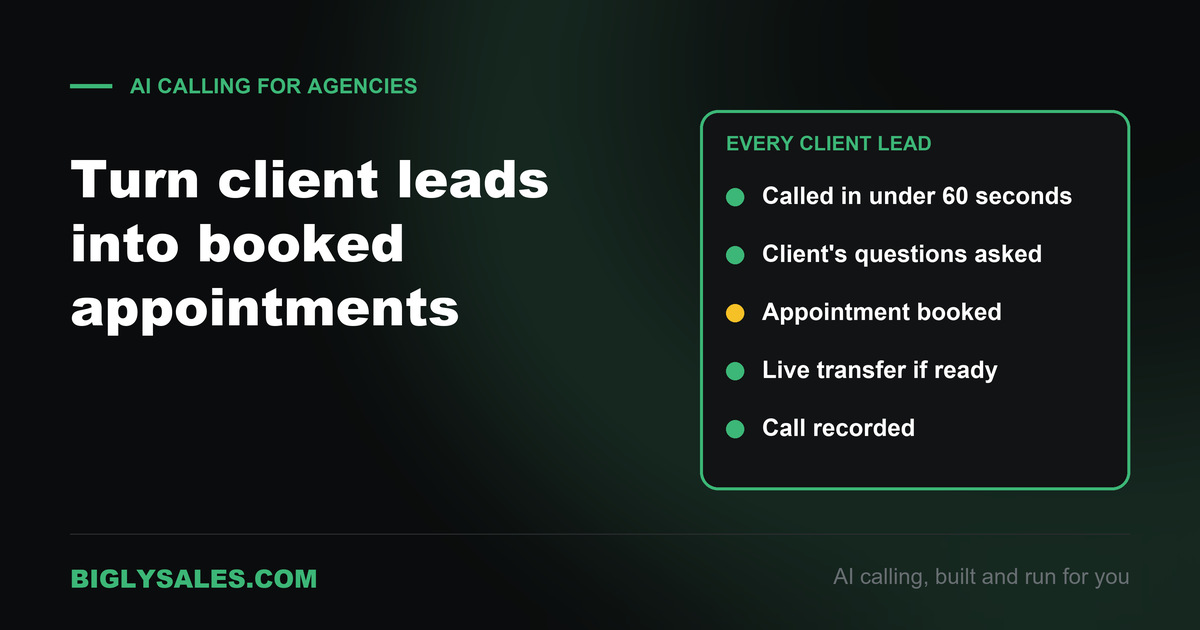


AI calling for agencies calls every lead your campaigns produce within seconds and books it onto your client’s calendar.
You ran a great campaign. Two hundred leads came in last month.
Your client called back thirty of them. Two days later. Then they told you the leads were bad.
This guide shows how agencies use AI calling to close that gap, what services you can offer, how consent works and what it costs.
With our own pricing and partner terms, checked today.
Key Takeaways
- Clients judge your campaigns by booked appointments, not leads.
- AI calls every lead in under 60 seconds, at any hour, with a full multi-attempt cadence.
- Each client gets its own numbers, script and reporting. No shared caller ID.
- Call recordings settle lead-quality disputes with facts instead of opinions.
- AI marketing calls need prior express written consent, captured on your lead forms.
- Agencies can run campaigns for clients or refer them and earn 30 percent of every pilot.
Table of contents
- What AI calling for agencies is
- Why follow-up speed decides renewals
- Where client leads leak
- 6 AI calling services agencies offer clients
- How a client campaign is set up
- Recordings settle lead-quality fights
- Consent travels with the lead
- How many minutes an agency needs
- Run it for clients, or refer them
- Who this is wrong for
- AI calling for agencies FAQ
- The bottom line
What AI calling for agencies is
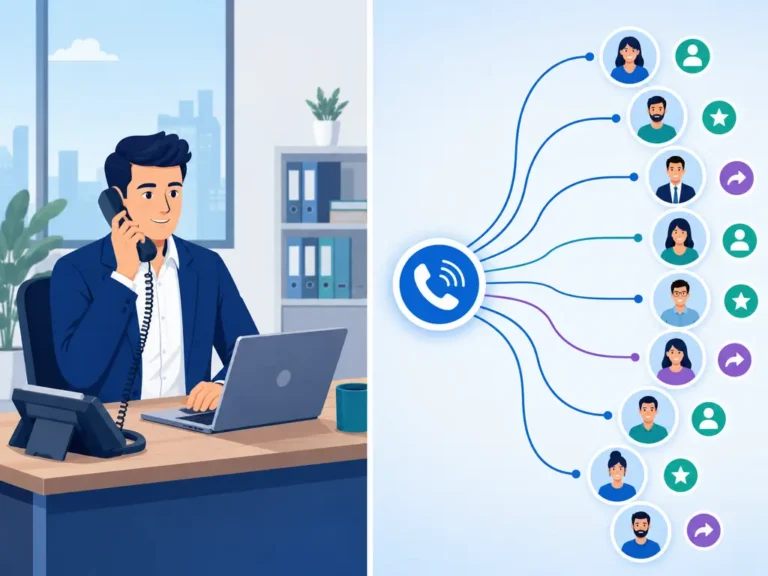
AI calling for agencies is the use of AI voice agents to turn the leads an agency generates into conversations and booked appointments for its clients.
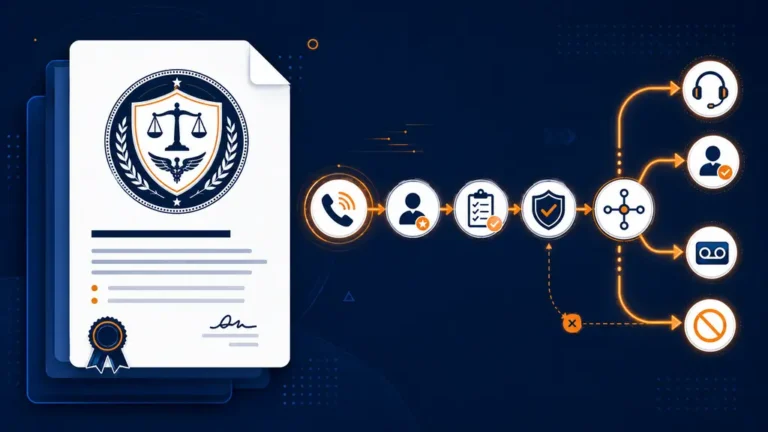
A lead fills out a form. The AI calls in seconds. It asks the client’s qualifying questions. It books the appointment or transfers the call to the client’s team, live.
And it answers the client’s inbound line too, at any hour.
Every call is recorded and transcribed. Every result lands in the client’s CRM.
It works for PPC and social agencies, lead generation companies, appointment-setting shops and local service marketing agencies.
Why follow-up speed decides renewals
Here is the uncomfortable truth about agency work.
You control the ads. You control the landing page. You do not control what happens after the form is filled.
That last part is where most leads die. Research in Harvard Business Review found that most companies do not respond to online leads nearly fast enough.
And when conversions drop, the client does not blame their own sales team. They blame the campaign. Then they blame you.
This is the speed to lead problem, sitting on the client’s side of the fence.
AI calling moves it to your side. Bigly AI agents call every new lead in under 60 seconds. Your campaign results show up as booked appointments, which is what clients renew on.
Where client leads leak
Every agency has seen these. Here is what each one costs and how the AI fixes it.
| Leak | What happens | What the AI does |
|---|---|---|
| Slow callback | The lead is called hours or days later, if at all | Calls in under 60 seconds, 24/7 |
| One and done | The client tries once and gives up | Runs a full multi-attempt cadence |
| After-hours leads | Weekend and evening leads sit until Monday | Calls them when they come in |
| Missed inbound calls | The client’s phone rings out | Answers every client line |
| Quality disputes | Your word against the client’s impression | A recording of every call |
| Setter payroll | Every new client needs more setters | Scales with the client roster |
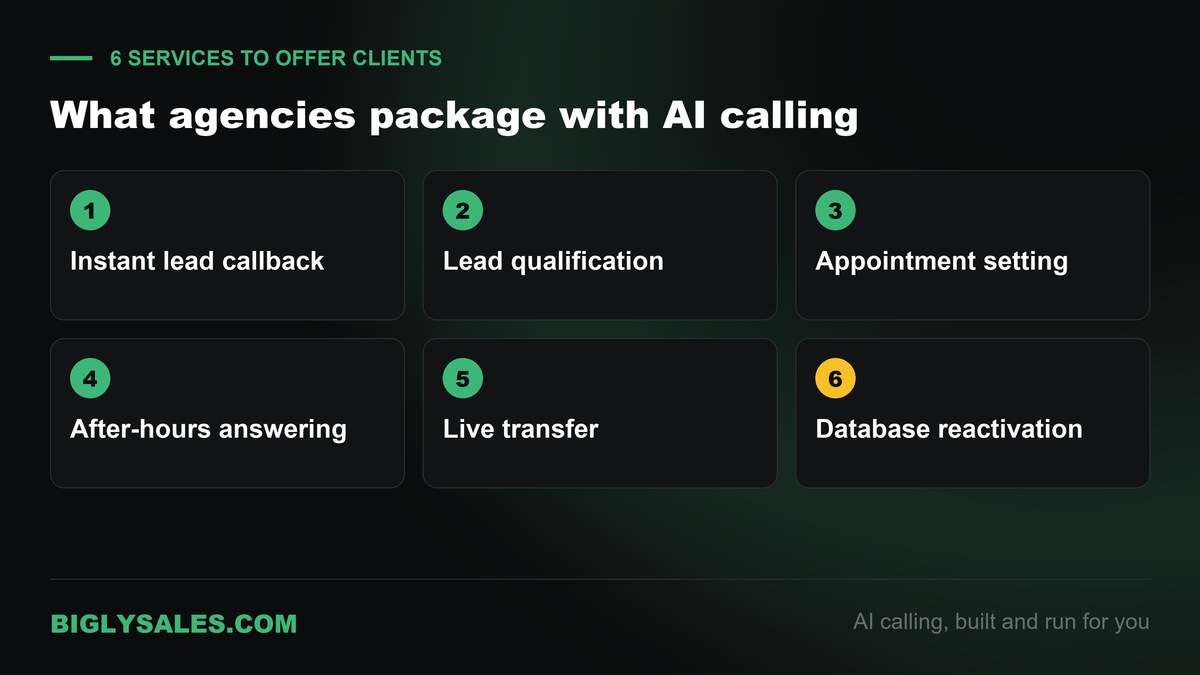
6 AI calling services agencies offer clients
These are the services agencies package. Pick the ones that fit your roster.
| Service | What the AI does | Fits clients in |
|---|---|---|
| Instant lead callback | Calls every form fill in seconds and books the appointment | Home services, legal, insurance, solar |
| Lead qualification and verification | Confirms details before delivery or transfer | Lead generation, mortgage, debt relief |
| Appointment setting | Books meetings on the client’s calendar | B2B, agencies’ own pipeline |
| After-hours answering | Answers client lines nights and weekends | Local service businesses |
| Live transfer | Hands qualified leads to the client’s closer | Insurance, mortgage, high-ticket sales |
| Database reactivation | Calls a client’s old leads with a fresh offer | Any client with an aged CRM |
The last one is an easy upsell. Every client has a CRM full of old leads nobody calls. A reactivation campaign turns that list into a new line on your invoice, with recordings to show the results.
For booking flows, see how an AI appointment setter works. For transfers, see warm vs cold transfers.
Free setup session
Hear an AI agent call one of your client’s leads
In 30 minutes we build a working agent with one client’s script and qualifying questions, then call your phone with it. Plans start at $99 a month, and the setup is free.
How a client campaign is set up
Each client runs as its own campaign. Nothing is shared between clients.
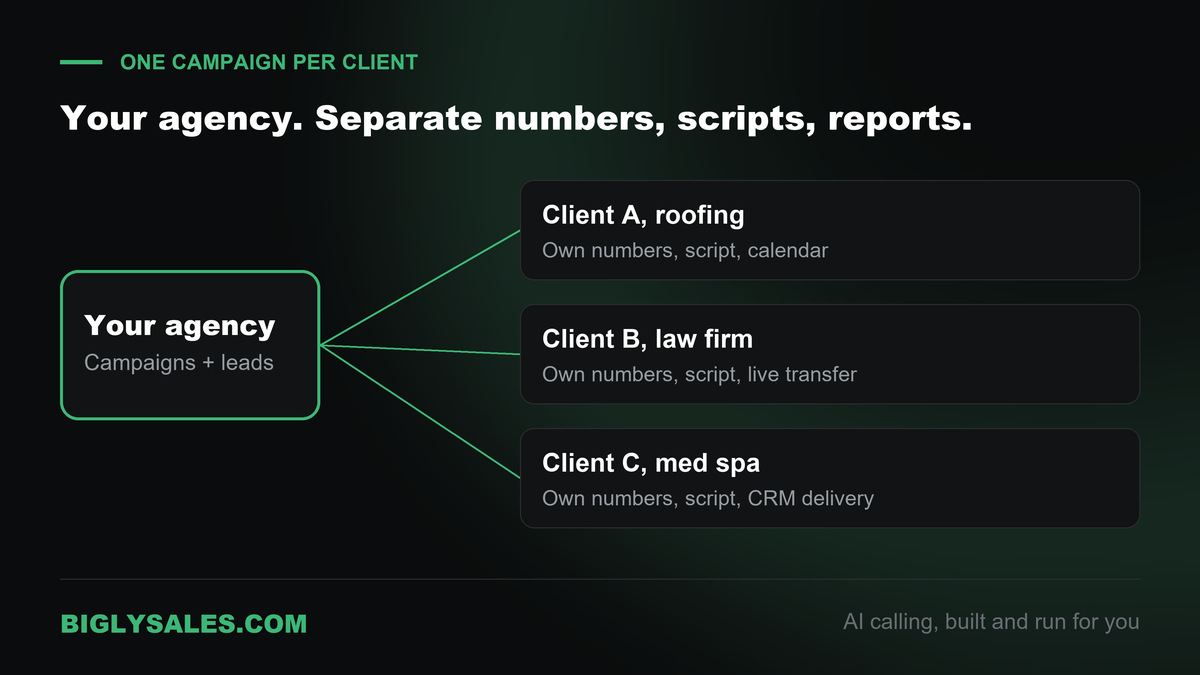
- Numbers. Each client gets its own phone numbers and caller name.
- Script. Written in the client’s voice, with the client’s offer.
- Qualifying questions. The ones the client’s sales team actually cares about.
- Booking or transfer rules. Book onto the client’s calendar, or transfer live during business hours.
- Delivery. Outcomes, recordings and transcripts written to your CRM or the client’s.
Separate numbers matter more than most agencies realize. If one client’s campaign gets spam complaints, you do not want every other client’s caller ID dragged down with it.
Bigly sets all of this up and connects to your CRM. Agencies that run many campaigns can also launch and manage them from the AI tools they already use through our MCP server for AI calling.
Recordings settle lead-quality fights
Every agency has had this call. The leads are junk.
Without recordings, it is your word against theirs. You lose that fight even when you are right.
With AI calling, every lead has a recording and a transcript. You can pull up exactly what the lead said, what they asked for and why they did not book.
Sometimes the leads really were bad. Then you know, and you fix the targeting. More often, the recordings show interested people nobody followed up with. Either way, you are arguing with facts.
Consent travels with the lead
This part is on you as the agency, because you build the lead forms.
In February 2024 the FCC ruled that AI generated voices count as artificial voices under the TCPA. So an AI marketing call needs prior express written consent.
That consent is captured on the lead form. The wording on your landing pages decides whether the client can call those leads with AI at all.
One piece of good news. The FCC rule that would have required separate one-to-one consent for each seller was vacated by the Eleventh Circuit in January 2025 and never took effect.
Several states also require you to disclose the AI on the call. Bigly checks consent and Do Not Call status before every dial and discloses the AI, with compliance controls built in.
Have the client’s counsel review your consent language once. This is general information, not legal advice.
How many minutes an agency needs
Consider a situation where you have ten clients. Each one gets about 300 leads a month.
That is 3,000 leads. Say you make six attempts per lead, and each attempt averages about 90 seconds once you count voicemails and short calls.
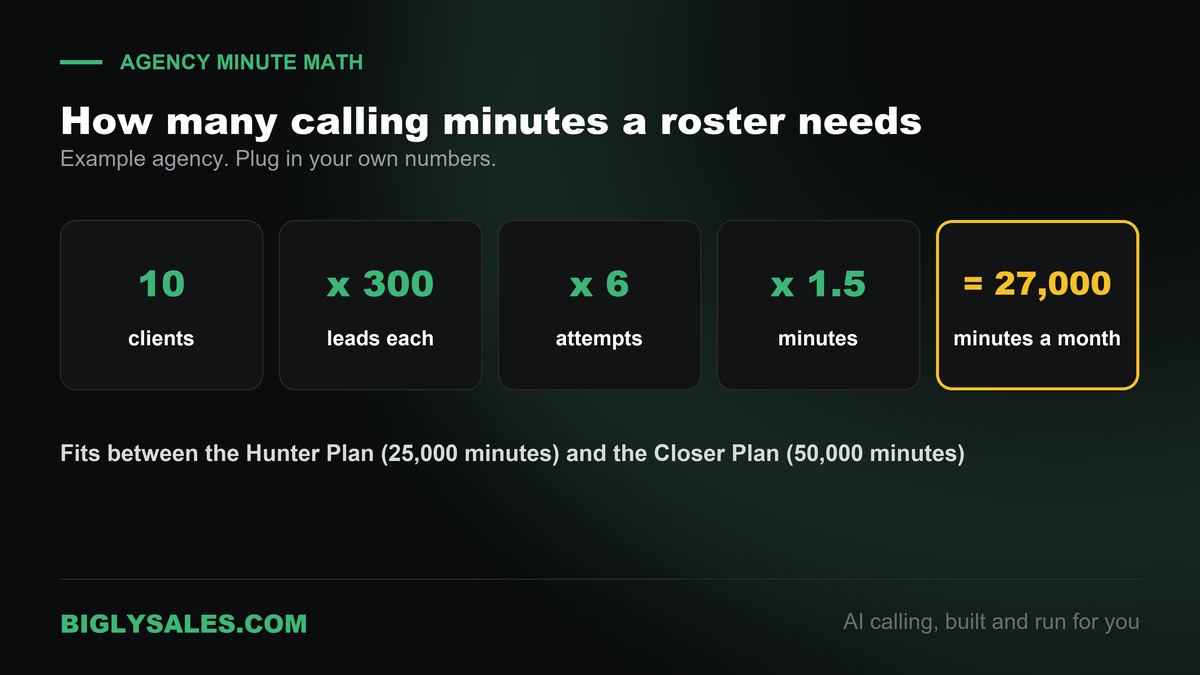
3,000 leads times 6 attempts times 1.5 minutes is about 27,000 minutes a month.
This is an example. Plenty of leads book on the first call and never need six attempts. Run it with your real numbers.
Here are the published plans, checked on our pricing page on November 5, 2026. Every plan covers inbound and outbound.
| Plan | Monthly price | Included minutes | Fits roughly |
|---|---|---|---|
| Scout Plan | $99 | 500 | Testing with one client |
| Prospector Plan | $500 | 3,000 | One client with steady volume |
| Hunter Plan | $2,999 | 25,000 | A roster of about ten clients |
| Closer Plan | $4,999 | 50,000 | Larger rosters or lead gen companies |
| Rainmaker Plan | $9,999 | 125,000 | High-volume lead generation |
Annual billing takes 30 percent off every plan. For how to structure attempts and timing, see how to build an outbound AI campaign.
Run it for clients, or refer them
There are two ways agencies work with Bigly.
Run it yourself. You manage the client campaigns, package AI calling into your retainer and own the results. This works when follow-up is central to what you sell.
Refer the client. You send the client to Bigly and the client runs it with our team. Through the Bigly partner program, you earn 30 percent of every pilot a referred business buys, paid every Friday. Referrals are tracked with a 90 day cookie and a referral code, and there is no cap.
Many agencies start by referring one client, watch the results, then bring it in-house.
Who this is wrong for
If your clients sell only online with no phone step, like low-priced e-commerce, they do not need a call. Skip it.
It is also wrong for any client whose leads come without proper consent. AI calling bad leads only gets the client in trouble faster.
And if a client’s sales team already calls every lead in five minutes, do not sell them this. Wondering how AI compares to a staffed phone team for bigger clients? See our AI call center vs traditional call center comparison.
AI calling for agencies FAQ
What is AI calling for agencies?
AI calling for agencies is the use of AI voice agents to call the leads an agency’s campaigns produce. The AI calls each lead within seconds, asks the client’s qualifying questions and books the appointment on the client’s calendar or transfers the call live. Every call is recorded, so the agency can show clients what happened to every lead.
How can a marketing agency offer AI calling to clients?
Add an AI voice agent between the campaign and the client’s sales team. Each client gets its own numbers, script, qualifying questions and booking or transfer rules, with results written to the client’s CRM. With a managed platform like Bigly, the agency does not have to build or maintain the voice technology.
Why do agencies lose clients over lead follow-up?
Clients judge campaigns by booked appointments and revenue, not by leads. When the client’s team calls leads back hours later, or not at all, conversion drops and the campaign looks bad. The agency loses the account for a problem that sat on the client’s side. Calling every lead in seconds closes that gap.
Does each client get its own phone numbers?
They should, and on Bigly they do. Each client campaign gets its own numbers, caller name, script and reporting. Clients should never share caller ID, because one client’s calling behavior could affect another’s number reputation. Separate campaigns also keep each client’s data and results apart.
Do AI calls to leads need consent?
Yes. The FCC ruled in February 2024 that AI generated voices count as artificial voices under the TCPA, so marketing calls need prior express written consent. That consent is captured on the lead form, so the wording on your landing pages matters. Bigly checks consent and Do Not Call status before dialing. This is not legal advice.
Can AI help lead generation companies?
Yes. Lead generation companies use AI calling to verify and qualify leads by phone before delivering them, or to live-transfer qualified leads to buyers while intent is fresh. Recordings show buyers exactly what each lead said. That makes lead quality easier to prove and disputes easier to settle.
What does the Bigly partner program pay?
Agencies that would rather refer clients than run campaigns can join the Bigly partner program. Partners earn 30 percent of every pilot a referred business buys, paid every Friday. Referrals are tracked through a personal link with a 90 day cookie and a referral code, and there is no cap on earnings.
How many minutes does an agency need?
It depends on lead volume and how many attempts you make per lead. As an example, ten clients with 300 leads a month each, six attempts per lead and about 90 seconds per attempt comes to roughly 27,000 minutes. That sits between the Hunter Plan at 25,000 minutes and the Closer Plan at 50,000.
How fast can an agency launch a client campaign?
Most teams go live within 24 hours once the client’s script and qualifying questions are approved. Bigly sets up the numbers, call flows, booking or transfer rules and CRM delivery. Start with one client who already has steady lead volume, so you have results to show the rest of your roster.
The bottom line
Agencies get fired for a problem that lives on the client’s side. Slow follow-up. AI calling fixes it by calling every lead in under a minute, booking the appointment and recording the proof.
Your campaigns get judged on what they really produced. See how it works on our AI calling for agencies page.
Start with one client
Turn one client’s leads into appointments
Pick your client with the steadiest lead flow and we set up the numbers, script and booking rules. Most teams go live within 24 hours.